
Thread Tapping Machines in Sheet Metal: Cutting to Tapping Case Studies
 When we look at a finished industrial machine, such as a large food processing unit or a computer server cabinet, we usually see a sleek, painted metal exterior. This metal skin protects the internal components and gives the machine its shape. This is the result of sheet metal manufacturing. However, before that metal sheet can be assembled into a final product, it must go through several critical steps. It is cut, bent, and often welded.
But there is one step that is often overlooked yet is essential for assembly: tapping. Tapping is the process of cutting internal threads into a hole so that a screw can be fastened securely. Without this step, the laser-cut metal plates are just loose pieces that cannot be bolted together. For a sheet metal provider to deliver a truly finished product to their client, the tapping process must be just as precise as the cutting process. This guide explores why the thread tapping machine is the secret to a smooth production line.
The Challenge of Tapping in Sheet Metal Work
You might wonder why manufacturers do not simply create the threads at the same time they cut the metal. Most sheet metal is cut using laser cutters or punch presses. These machines are computer-controlled and extremely fast. Ideally, one might think it is best to tap the holes while the metal is still on the cutting table.
However, in the real world of manufacturing, this is difficult. When metal is cut by a laser, it heats up. When metal is punched, it is subjected to physical stress. Both processes cause the metal plate to warp or deform slightly. Once the cutting is finished and the piece is removed from the machine, the exact location of the holes may shift by a fraction of a millimeter due to this deformation.
If you try to put that slightly warped piece back onto a rigid, computer-controlled machine for tapping, the machine will go to the exact mathematical coordinates where the hole should be. If the hole has shifted even slightly, the rigid machine will try to force the threading tool (the tap) into the solid metal next to the hole. This almost always causes the tap to snap, which ruins the part and stops production. This is why a flexible, secondary solution is needed.
Why Tapping Machines Are the Solution
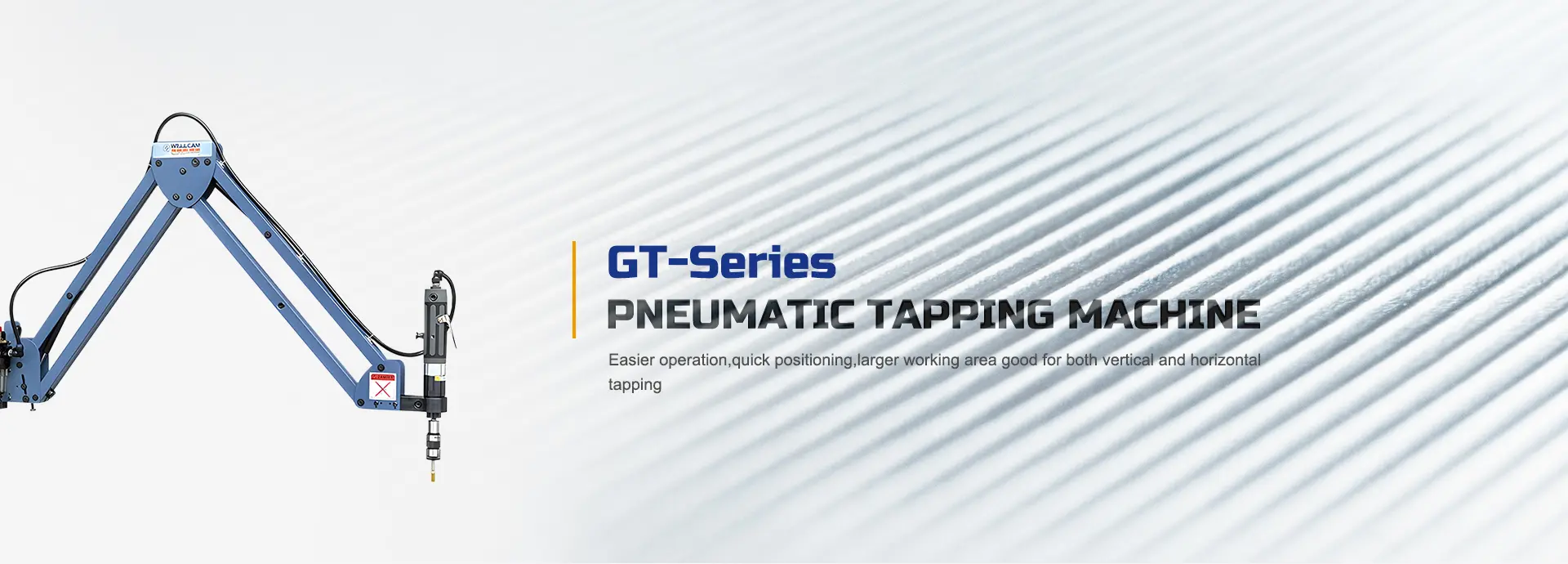
To overcome the problem of slight misalignments and deformation, manufacturers need a threading method that is flexible rather than rigid. While there are various types of tapping equipment available, the articulating arm tapping machine is particularly effective for this challenge. Unlike fixed, fully automated systems that rely on strict coordinates, an articulating arm allows the operator to guide the tool manually. This brings a level of adaptability to the process that is difficult to achieve with stationary machinery.
High Operability and Rapid Positioning
The primary advantage of an arm-type tapping machine is its "floating" nature. The machine consists of a balanced arm that can move freely in any direction. The operator simply grabs the head of the machine and moves it toward the hole.
Because the tap is spinning, it naturally wants to center itself in the existing hole. If the hole is slightly off-center due to sheet metal warping, the operator's hand and the floating arm naturally adjust to that position. This flexibility ensures that the tap enters the hole cleanly every time, preventing the tool breakage that plagues rigid machines. Modern arms are designed to be weightless and easy to move, allowing operators to tap hundreds of holes an hour without fatigue.
Versatility and Quick Changes
Sheet metal shops rarely work on just one type of product. One day they might be making thin enclosures for electronics using 3mm screws, and the next day they might be making heavy frames for agricultural machinery using 16mm bolts.
A good thread tapping machine must adapt to these changes instantly. Professional machines feature quick-change chucks. These are holders that allow the operator to snap a new tool size in and out in seconds, without using wrenches or keys. Furthermore, the machine is designed to deliver high torque (rotational force). Whether you are tapping a thin sheet or a thick plate, the machine provides the consistent power needed to cut the thread smoothly without stalling.
Successful Applications in the Industry
The partnership between sheet metal fabrication and tapping machines extends across almost every industry. Any sector that uses metal enclosures or frames relies on this technology.
Case Study: CNC Machine Enclosures
Consider the machines that make other machines, such as CNC mills. These are dangerous, high-speed devices that need to be fully enclosed for safety. The "skin" of these machines is made of sheet metal. These large panels must be visually appealing, waterproof, and able to stop flying metal chips.
After the large panels are laser-cut, they are brought to a station with a tapping machine. The operator quickly taps the mounting holes. Because the arm is flexible, they can reach across the large panel easily. Once tapped, the panels can be painted and then screwed onto the machine frame. The precise threads ensure a tight seal, preventing coolant leaks and keeping the operator safe.
Case Study: Coffee Roasting Equipment
In the food machinery industry, such as manufacturing coffee roasters, the process is similar. The main body of the roaster begins as a flat steel sheet. It is laser-cut to shape. Before it is bent into a cylinder or box, the operator uses a tapping machine to create the screw holes for the heating elements and control panels.
If the manufacturer waited until after the metal was bent and welded to tap these holes, it would be very difficult to position a large, heavy roaster under a standard drill press. The articulating arm allows the operator to tap the holes while the sheet is still flat and easy to handle, streamlining the entire assembly process.
Frequently Asked Questions
We often hear these questions from sheet metal shop owners looking to upgrade their workflow.
Q1: Can I use a tapping machine to drill holes?
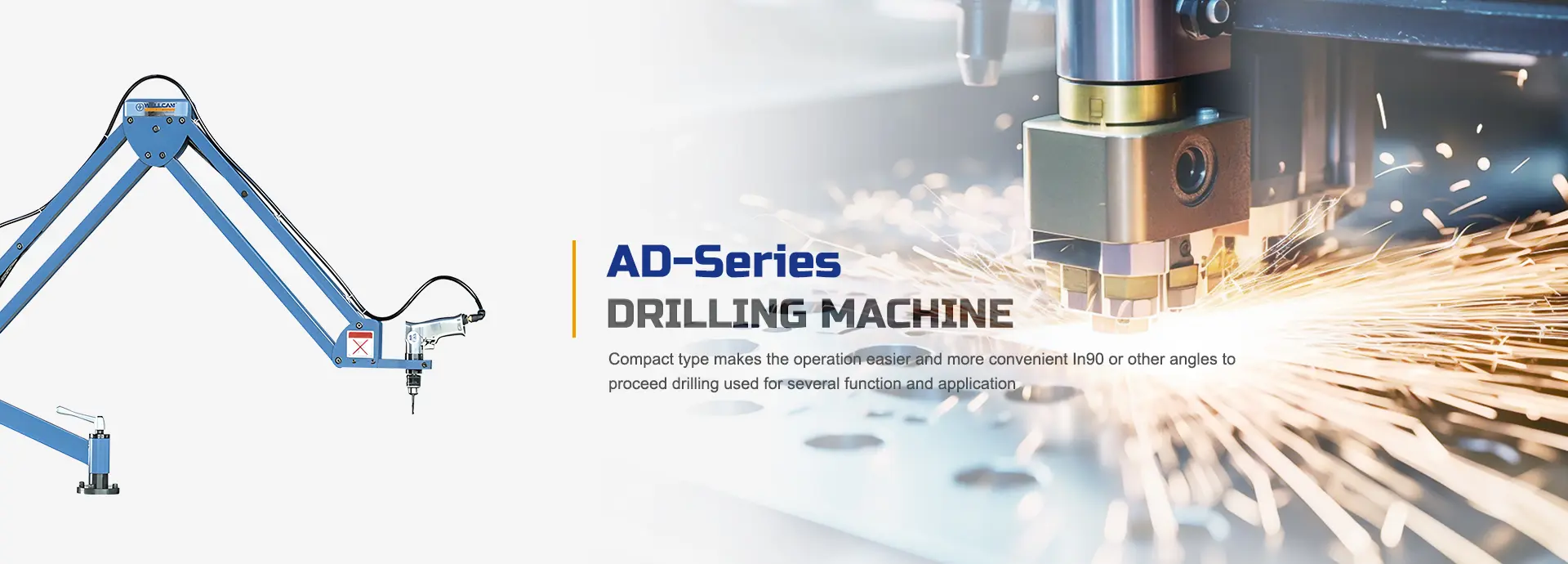
No, you should not. A tapping machine is designed for "high torque and low speed." It pushes hard to cut threads. A drilling machine is designed for "low torque and high speed" to cut through solid material. Using a tapping machine to drill will likely result in poor performance and could damage the internal gears of the machine.
Q2: I am working with very thick sheet metal (30mm). Can I use a pneumatic tapping machine?
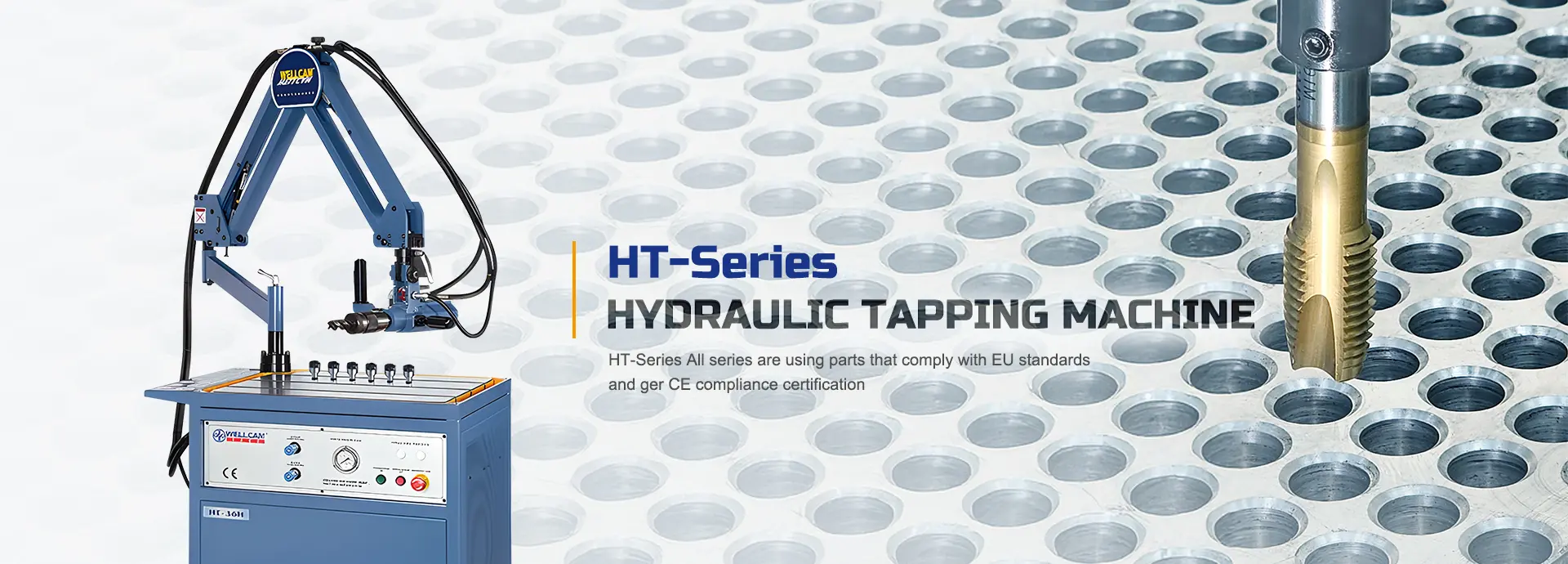
It depends on the size of the hole. If you are tapping holes size M12 or smaller, a pneumatic (air-powered) machine is sufficient. However, if you are tapping M16 or larger threads in 30mm thick metal, the resistance is very high. In this case, we recommend a hydraulic tapping machine. Hydraulic fluid does not compress like air, so it provides the consistent, non-stop power needed for large, deep holes.
Q3: Can WELLCAM's machines tap softer materials like plastic or acrylic?
Yes, absolutely. While we talk a lot about metal, tapping machines are excellent for plastics and acrylics. The balanced arm allows for a delicate touch, ensuring that the brittle plastic does not crack during the threading process.
Conclusion
In modern sheet metal manufacturing, precision does not stop at laser cutting or bending—reliable threading is what turns metal sheets into fully assembled products. In the competitive world of sheet metal manufacturing, the ability to go from a raw laser-cut plate to a ready-to-assemble component is what separates a good supplier from a great one. The thread tapping machine is the bridge in this process. By utilizing the flexibility of an articulating arm, manufacturers can overcome the challenges of material deformation, reduce tool breakage, and handle a wide variety of jobs with a single station.
Whether you are building delicate electronics housings or heavy agricultural equipment, integrating a professional tapping solution will enhance your efficiency and product quality. At WELLCAM, we specialize in helping businesses find the exact tool for their specific production needs. With decades of experience supporting sheet metal fabrication shops worldwide, WELLCAM provides pneumatic and hydraulic tapping solutions. WELLCAM is a professional manufacturer of thread tapping machines. To discuss how our machines can fit into your sheet metal production line, please contact our team for a consultation.